
Category: Grammar
-
N5 Grammar: Park or Stop Your Car! Difference between 「あそこに車を止めてください」 vs 「あそこで車を止めてください」
春節 Day 3!みなさんは もう会社に戻られましたか。 Repostです ————- みなさん、 おはようございます。 It`s been a while since I wrote a grammar article. Today, I would like to share the difference between 「あそこに車を止めてください」 vs 「あそこで車を止めてください」 To help aid the understanding, let`s do a bit of revision on the particle 「で」 and 「に」 食堂で昼ご飯を食べます。 Eat lunch at the dining hall. The 「で」…
-
Giving and Receiving with あげます/もらいます/くれます (N5)
Repost. =========== みなさん、 こんばんは。 Today I would like to explain the usages of あげます/もらいます/くれます。 「あげます/give」 わたしは ともだちに 花(はな)を あげました。 I gave my friend flowers. Structure: Giver は Receiver of Action に Object を あげます。 In this case, 「わたし」 is the giver, 「ともだち」is the receiver, 「はな」being the object given. __________________________________________________ 「もらいます/receive」 わたしは ともだちに 花(はな)を もらいました。 I received flowers from my friend . Structure:…
-
Japanese Modality
Hi all, おはようございます。Our students from America has done a presentation on Japanese modality. This is an important aspect to help understand Japanese culture better. If you have time, please take a look. =) /Can
-
Difference between ように and ために
皆さん、 おはようございます (Good morning). This is a repost. =) For this article, I did a reference from this book: 初級日本語文法と教え方のポイント by: 石川保子先生. Her books are really very good. Please support her books. Let’s take a look at 「ために」 first. A ために、 B Chinese translation of 「ために」: 因此,因而,所以 ======================================= 原因・理由を表す (Describing Cause/Reason) For A: Put in a sentence…
-
Japanese Modality
Hi all, おはようございます。Our students from America has done a presentation on Japanese Modality. This is an important aspect to help understand Japanese culture better. Please take a look. /Can
-
Difference between ように and ために
皆さん、 おはようございます (Good morning). This is a repost. =) For this article, I did a reference from this book: 初級日本語文法と教え方のポイント by: 石川保子先生. Her books are really very good. Please support her books. Let’s take a look at 「ために」 first. A ために、 B Chinese translation of 「ために」: 因此,因而,所以 ======================================= 原因・理由を表す (Describing Cause/Reason) For A: Put in a sentence…
-
Difference between に and で – Repost
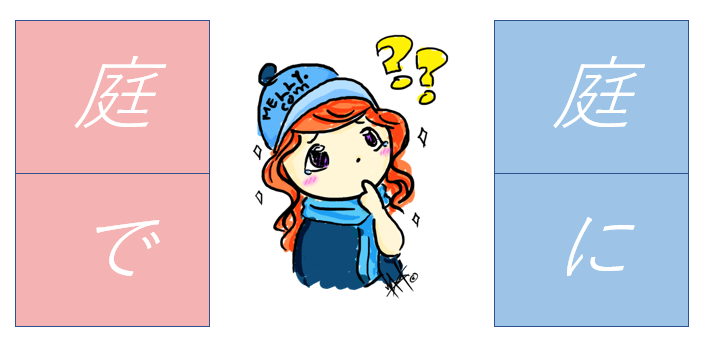
みなさん、 こんにちは。This is a repost. ————————————– 今日、日本語教師養成コースのコーチからアサインメントの添削をもらいました。そのアサインメントにある質問、「に」と「で」の違いについて話しましょう。 (Today, i received my correction for my teaching course assignment. There’s a question in the assignment regarding 「に」 and 「で」 which i like to talk about. ) 「に」: ① 移動行為の方向を示します. 英語の「to」に大体対応します。 (Indicate a direction of a movement act. It’s similar to 「to」 in English. ) ② また、間接目的語の後ろにも置かれます。 (Also,…
-
Recognizing Japanese Verb Groups
みなさん、 こんばんは。Created another set of cheat sheet. Check it out below! Cheers. /Can
-
Cheat Sheet on ない-form/Passive-form/Causative-form
Updated: 5th Sep 2022—–みなさん、 こんばんは。I have some extra time today. So I did a cheat sheet on ない-form/passive form and causative form today. Please feel free to use it for your studies Can Legend:他: transitive verb自: intransitive verb
-
Japanese Particles Cheat Sheet
みなさん、 こんばんは。Did a Japanese particles cheat sheet. Feel free to refer. The L refers to the chapter in Minna no Nihongo. Cheers,Can
 Tsubasa Language Services