
Free trial lesson availablefor group classes · excludes Foundation Studies
Your flightto learningJapanese
Small-group Japanese classes for adults in Singapore. Speak from your first week, understand the culture behind the words, and learn alongside a community that takes Japanese seriously — and enjoys it.
Book a free trial lesson — excludes Foundation Studies.
- Class size
- 6–8
- Path to
- JLPT N1
- JLPT N2 pass
- 100%
Recognised
Voted one of the 6 best places to learn Japanese
Best in Singapore (bestinsingapore.co)
ようこそWelcome to TLS
Language is a way of understanding people
Learning Japanese is about far more than memorising vocabulary or passing examinations. At Tsubasa Language Services, we help you communicate with confidence, accuracy and cultural awareness — by understanding both the language and the people who speak it.
TLSの特徴Why learn with TLS
Designed around how adults actually learn
Conversation every lesson
In each 2-hour class, 30 minutes is set aside for pair-work conversation — everyone speaks, every week.
Small classes, real attention
Typically no more than 8 students, so questions get answered and nobody is left behind.
Natural pronunciation
Pitch accent and intonation are corrected from the start — so your Japanese sounds natural, not just correct.
Understand, don't memorise
Lessons draw on educational psychology: clear explanations of why a structure works, so it sticks.
Culture & pragmatics
Dramas, songs, news and real-life situations show you what native speakers actually say — and why.
Explained in English
Singaporean teachers who learned Japanese themselves know the common pitfalls — backed by native Japanese advisers.
道のりYour learning path
From your first あいうえお to JLPT N1
A structured progression designed so that consistent learners can reach approximately JLPT N2 proficiency within three and a half years. Select a stage to learn more.
基礎コース
Beginner Class — Foundation Studies
Your first 8 lessons: what Japanese is all about, the three writing systems, greetings and everyday expressions — with a first look at Japanese culture and psychology.
- Understand what Japanese is all about and why it's worth learning
- Get started with Hiragana, Katakana and Kanji
- Greet people and tell the time
- Use everyday expressions: eat, drink, sleep and more
- Duration
- 8 lessons (about 2 months)
- JLPT
- Leads into the Beginner Class, which prepares you for JLPT N5.
- Conversation
- Greetings and everyday expressions practised in class.
Culture track: Psychology of Japanese people / culture (20 weeks) → Business Japanese / Psychology of Japanese people / culture (Advanced) (26 weeks). Source: TLS progression path.
語用論Teaching philosophy
Grammatically correct isn't the same as natural.
To speak naturally, you need to understand not only what to say, but why native speakers choose one expression over another. Linguists call this pragmatics — and it runs through every TLS course.
Read our approachCorrect, but odd
トイレへ行くことができますか
Toire e iku koto ga dekimasu ka — literally, "Am I able to go to the toilet?"
What a native speaker says
トイレへ行ってもいいですか
Toire e itte mo ii desu ka — asking for permission, not ability.
生徒の声Student voices
In our students' own words
“When compared to other providers, Tsubasa may feel shorter or costlier, but you essentially cover the syllabus faster and pay lesser in your overall journey. I got my N1 in July 2025. It was a long journey and Can-sensei was a good conductor in mine.”
Jonathan Seah
Passed JLPT N1, July 2025
“What I appreciate the most is the focus on building a strong foundation rather than rushing to cover extensive amount of syllabus. Having a Singaporean teacher means that the complex grammar rules and nuances can be explained in a language that I fully understand.”
Charlene Lam
Current student, Intermediate class
“I am able to grasp the concepts easier with the help of his mind maps, lots of tips, Japanese notes and other references he provides for the class… I certainly benefited a lot from the weekly 30 minutes kaiwa session which has given me a lot of practice in speaking and learning from my classmates.”
Pearl Hong
Current student, Intermediate class
無料教材Watch, read, listen
Free Japanese learning materials
Grammar explanations, JLPT tips and culture notes written by Can-sensei — free for everyone.
Grammar · N4
Modality Part 1: でしょう vs かもしれません
Both soften what you say — but でしょう is usually used about others, not yourself, and かもしれません can't be used as a question. Taught in Minna no Nihongo Lesson 32.
JLPT · All levels
After JLPT… What's next?
One phrase: "Back to Basics". Why your N4/N5 foundation decides how you do at N2 and N1 — and five pointers for moving up.
Grammar · N5, N4
N5 Grammar: The difference between に and で
に marks direction and existence; で marks where an action happens. Ten example sentences — including 仕事に疲れる vs 仕事で疲れる — show the nuance.
JLPT · N2
JLPT N2 Grammar List
A downloadable N2 grammar list to support your exam preparation.
仲間Projects & community
Learning that leaves the textbook
Presentations, trip planning, songs and dramas — students learn by making things together.
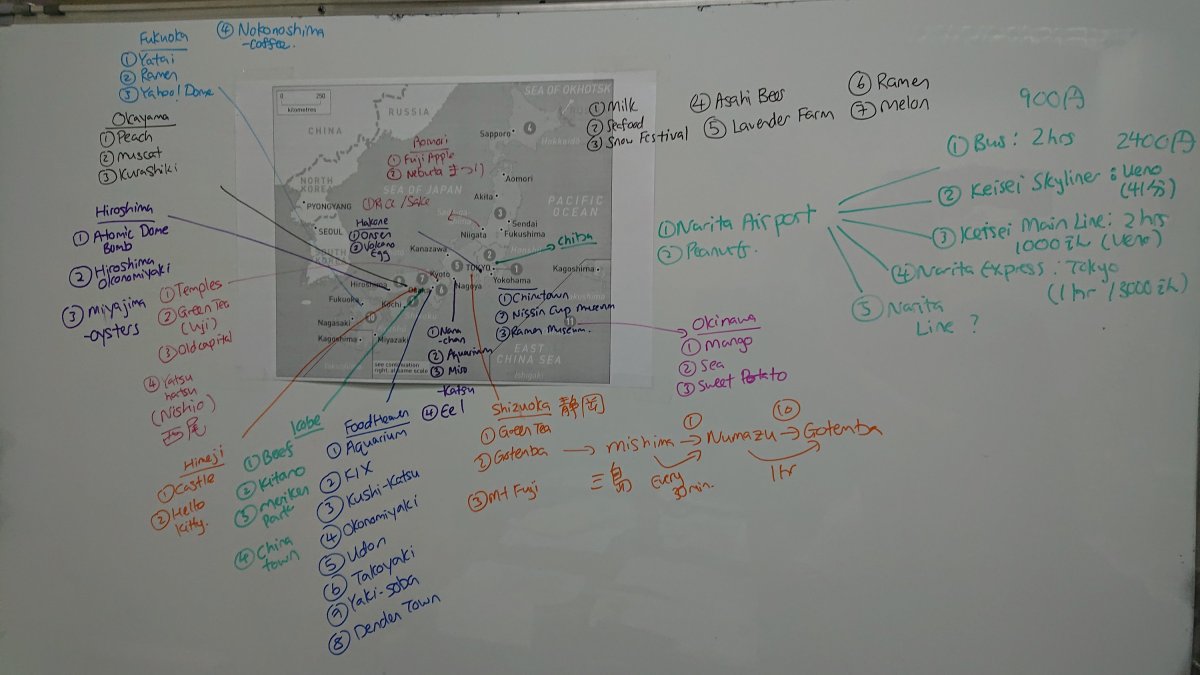
Class activity: mapping Japan's regions
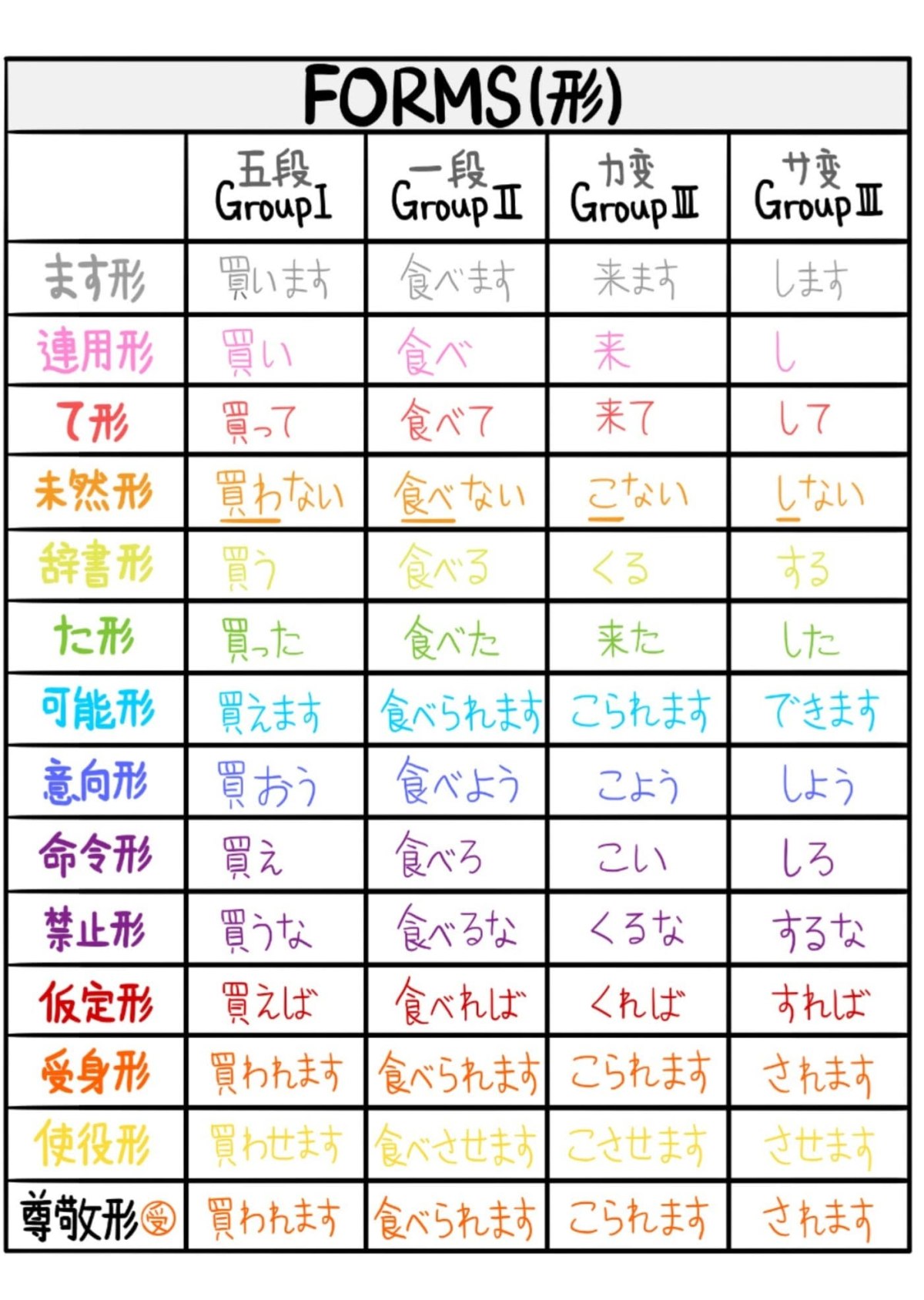
Student work: verb forms chart
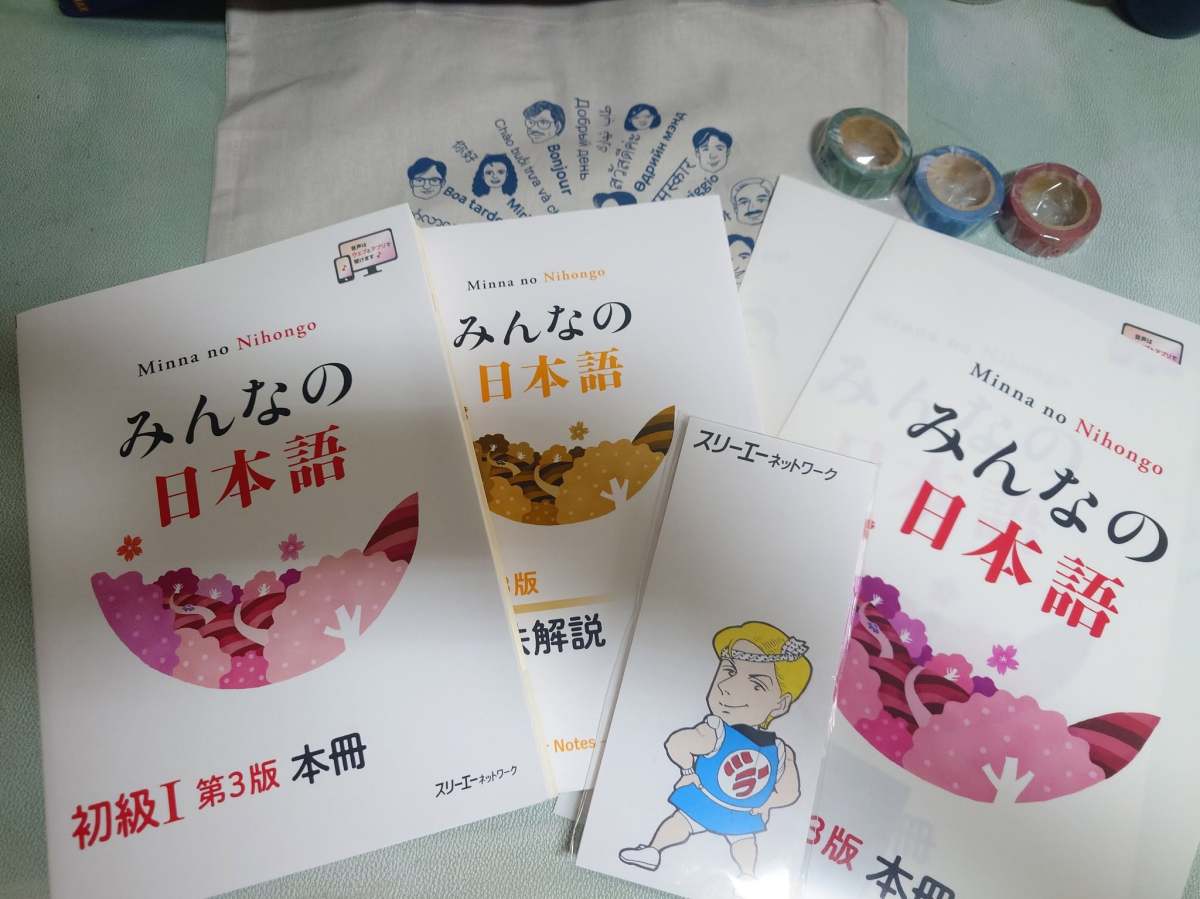
Minna no Nihongo, 3rd edition
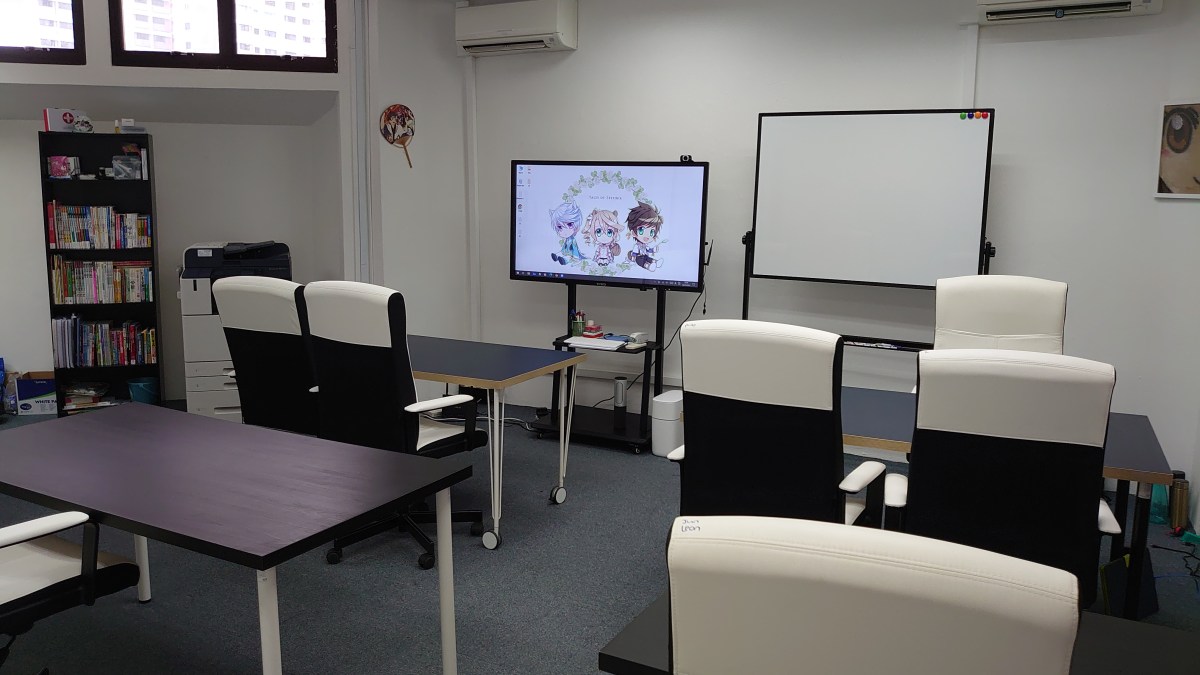
Our classroom
よくある質問Good to know
Questions before you start
Important conditions for joining TLS, in plain words.
一緒に始めましょう
Ready to take off?
Tell us about your goals and experience. We'll reply within 1–2 days and arrange a short readiness chat before you join.