
Tag: N4
-
Modality Part 1: Differences between 「でしょう」 and 「かもしれません」
みなさん、 おはようございます! Today, I’ll like to share about the differences between 「でしょう」and 「かもしれません」. If you are using Minna no Nihongo, this is taught in Lesson 32. This is a bird’s eye view of the differences between 「でしょう」and 「かもしれません」. In real life, both are very commonly used, especially when you are talking about whether you or…
-
教育学の修士 (1学期)
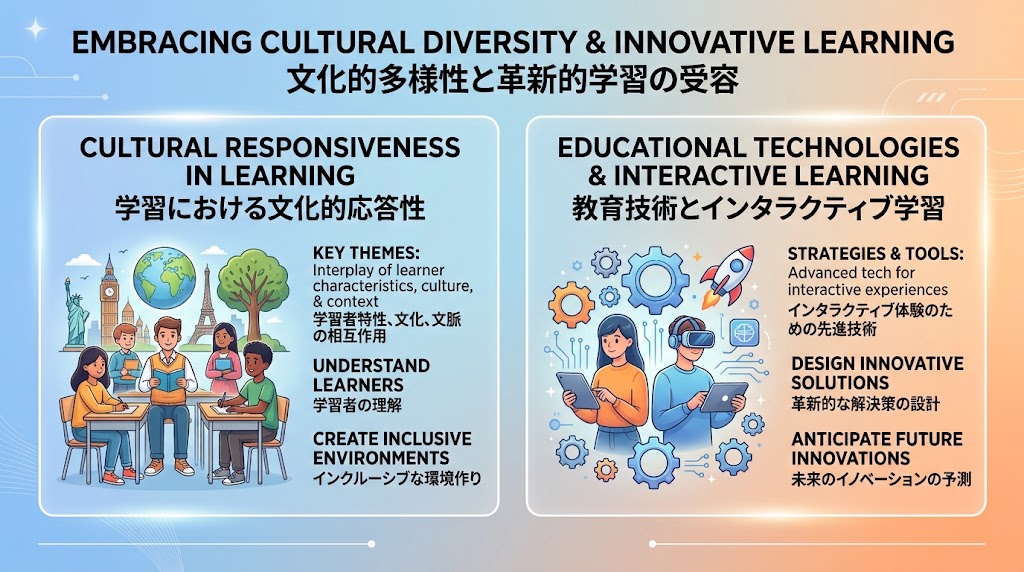
みなさん、 こんにちは。今、台北にあるカフェからこの投稿をさせていただいております。 今年の8月に教育学の修士課程が始まりました。「Learners, Culture and Context」と「Educational Technologies for Interactive Learning」というコースを受けて、とてもワクワクしました。 この2つの科目で色々な知識を習ったし、クラスメートからも色々学びました。本当にいい経験でした。 生徒達のために、これからも頑張りたいと思います。 ケン Everyone, Hello. I’m writing this post from a café in Taipei. My master’s program in Education started this August. I took courses called “Learners, Culture and Context” and “Educational Technologies for Interactive Learning,” and was very excited. I learned a lot of…
-

Top Grammar Points for JLPT N4 Exam
Hi all, Below is a list of the important grammar for JLPT N4. I hope you will find it useful. Can-sensei
-

JLPT: Is it possible to get full marks without getting all the questions correct?
Hi all, This post is in response to one of the persons that I have met online. She was saying that she got full marks for N3 and needed help for one of the N2 questions (which was a combination grammar from N4 and N5). I wanted to write this to share what I know…
-
Registering for JLPT (Japanese Language Proficiency Test) in Singapore (Jul 2026)
Hi all, JLPT Registration is coming! To help you to register it more smoothly, I have created this guide. These are the dates for the registration. Most slots are taken up with 5 minutes. Step 1: Go to this link: https://jlpt.jcss.org.sg/ Step 2: Fill up the appropriate information. Step 3: Make payment via Paypal. Step 4:…
-
N4 Grammar: A revisit on「よう」と「らしい」の使い分け / The difference between よう and らしい
春節2日目です。 みなさんは 春節を どう過ごしますか。 Repostです! —————- 皆さん、 こんばんは。Like to do a revisit on 「よう」 and 「らしい」. 「~らしいです」 「~ようです」 情報の源Source of information 耳から入ってくる情報の場合が多い(More cases where information is heard) 目から入ってくる情報の場合が多い。体験・経験による判断(More cases where Information is seen. Judge according to personal experience and normal experience) とらえ方(Way of perceiving) 「~ようです」より客観的ですMore objective than 「~ようです」 「~らしいです」より主観的More subjective than 「~らしいです」 関心度(Level of concern) 話者の関心度がやや低いSpeaker’s level of…
-
Top Grammar Points for JLPT N4 Exam
Repost—————Hi all, Below is a list of the important grammar for JLPT N4. I hope you will find it useful. /Can
-
Difference between ように and ために
皆さん、 おはようございます (Good morning). This is a repost. =) For this article, I did a reference from this book: 初級日本語文法と教え方のポイント by: 石川保子先生. Her books are really very good. Please support her books. Let’s take a look at 「ために」 first. A ために、 B Chinese translation of 「ために」: 因此,因而,所以 ======================================= 原因・理由を表す (Describing Cause/Reason) For A: Put in a sentence…

