Category: N4
-
Giving and Receiving 2 (くださいます/さしあげます)N4
みなさん、 こんにちは。 To continue from i stopped yesterday. Today we will go 1 step further to explain くださいます and さしあげます。 Let’s take a look at the following table. In my table above, Level 2 refers to 目上の人(i.e superiors, seniors, teachers, etc). Level 1 refers to people who are in the same social status (i.e friends,…
-
New Intermediate Class Starting
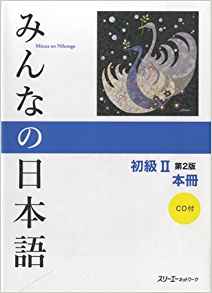
Hi all, We will be starting our Intermediate class someone around Jul. Students will be able to attend prep lessons for Intermediate from May onwards at $5/lesson. Below are the details for the lesson Date: end Jul/start Aug Time: 10-12pm Slots: 8 (2 slots left) Location: Waterloo Centre Fees: $330 for 10 lessons (total of…
-
Identifying Verb Group
Hi all, One of the things about learning 国語 (Kokugo, the Japanese language which is learned by native Japanese) is that they have different ways of identifying their group 1, 2 and 3 verbs. If you are unsure if a verb is group 1 or 2, remove the る、ない、た、etc from the verb and add a…
-
Differences between 自動詞 and 他動詞 (video)
Hi all, Created a new video on differences between 自動詞 and 他動詞. Hope you guys will enjoy the video and apologies for the many “OKs” in the video. Cheers, Can
-
N4文法:意向形+と思います vs ~つもりです
みなさん、 こんにちは。 今日は、「意向形+思います」と「~つもりです」の違いを説明します。 まず、例文を見ていきましょう。 「日本へ行こうと思います」 I am thinking of going to Japan. 「日本へ行くつもりです」 I intend to go to Japan. 「日本へ行きます」 I am going to Japan. 可能性(かのうせい) からみると (if I see it from the level of possibility), パーセントで表示(ひょうじ)します。 「日本へ行こうと思います」 I am thinking of going to Japan. 60-70%可能性 (60-70% possibility of going) 「日本へ行くつもりです」 I intend to go…
-
N4 重要な文法 / N4 Important Grammar
Hi all, For those taking N4, hope this document will help you. Link /Can
-
N5 重要な文法 / N5 Important Grammar
Repost ———— Hi all, For those taking N5, i have uploaded a document. Note that this document is also good for N4 exam takers as the N4 exam also tests 60-70% of the N5 grammar I expect that 80-90% of the information inside this set of notes will come out. Link /Can
-
Answering ☆ questions
みなさん、 おはようございます。Today i have some time before i start my lesson at 11am, so i would like to share on how to answer ☆ questions, one of the most dreaded questions faced by a lot of students. ============== 1.Look for nouns (名詞) 2.See if you can link the nouns up by a の (Search for…
-
N4言葉:「結構」vs 「なかなか」の使い分け (Usage of 結構 and なかなか)
みなさん、 おはようございます。今日、「結構」と「なかなか」の使い分けについて説明いたします。 まず、日本語の意味を見ていきましょう。 けっ‐こう【結構】 1) すぐれていて難点がないさま。 「結構なお住まいですね」 2) それで満足なさま。 「Mサイズで結構です」 3) それ以上は不要であるさま。 「もう、お酒は結構です」 4) 予想した以上であるさま。極端ではないが、かなりの程度であるさま。「今度の試験は結構いいところまで行くかもしれない」 なかなか【中中・仲仲】 1) 物事の程度が通常や予想を上回っているという気持ちを表す。 「この問題はなかなか難しい」 2) 容易には見つからない[存在しない]だろうという気持ちを表す。 「あんな親切な人はなかなかいない」 3) 容易には思うとおりにならないという気持ちを表す。 「バスがなかなか来ない」 下記の例文を見ましょう。 1) 日本語と中国語は結構違います。 (OK) 2) 日本語と中国語はなかなか違います。 (使えない) 3) 夏休みにインターンシップをする学生が結構います。 (OK) 4) 夏休みにインターンシップをする学生がなかなかいます。 (使えない) 説明 「結構」も「なかなか」も話し手の「自分が思っていた以上に程度が高い」というニュアンスがあって、目上の人にコメントを言うと、目上の人の能力を低く評価していたという意味になって、失礼になるので、使い方に気をつけましょう。 例: (先生の前で) 学生A : 先生は なかなか/結構歌が上手ですね。 「なかなか」を使いたければ、自身のことについては通常は使わないこともあります。自分についてのコメントに使うと、冗談を言っているか、うぬぼれているように聞こえるので、注意する必要があります。 私はなかなか/結構料理が上手です。 (???) 新しい言葉 すぐれる: be better than; surpass; excel; exceed; be superior to…
-
N4 Grammar: A revisit on「よう」と「らしい」の使い分け / The difference between よう and らしい
皆さん、 こんばんは。Like to do a revisit on 「よう」 and 「らしい」. 「~らしいです」 「~ようです」 情報の源Source of information 耳から入ってくる情報の場合が多い(More cases where information is heard) 目から入ってくる情報の場合が多い。体験・経験による判断(More cases where Information is seen. Judge according to personal experience and normal experience) とらえ方(Way of perceiving) 「~ようです」より客観的ですMore objective than 「~ようです」 「~らしいです」より主観的More subjective than 「~らしいです」 関心度(Level of concern) 話者の関心度がやや低いSpeaker’s level of concern quite low 話者の関心度がやや高いSpeaker’s…
 Tsubasa Language Services