
Grammar · All levels
Introduction to 未然形 1 (Imperfective form)
By Can (original WordPress byline: dimitri2012) ·
みなさん、
こんばんは。
At the request of some students, this week i will be writing about 未然形 (みぜんけい), ない-form, 受身形 (うけみけい/passive form) and 使役形 (しえきけい/causative form)
I am sure those who have studied Genki, Minna no Nihongo or any other textbook, you would know what is ない-form. So what is 未然形 (みぜんけい)?
未然形 is one of the forms that native Japanese learn in school to form ない-form, 受身形、使役形、意向形, etc. In this week`s articles, my focus will be more on 未然形, ない-form, 受身形 and 使役形.
In the Japanese language (known as 国語/こくご) that native Japanese learn, there is only 未然形、連用形、終止形、連体形、仮定形 and 命令形。 How to form 未然形? Group 1 verbs/五段動詞
Step 1: Remove 「ます」from the verb.
かいますー>かい
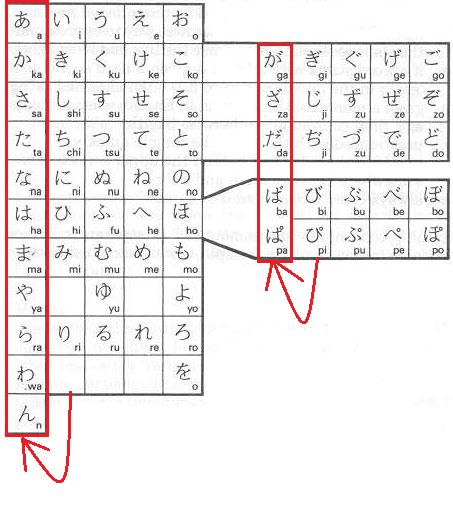
Step 2: Change the last Hiragana to あ-段 (だん)/ あ-column
かいー>かわ (未然形)
Note: All い will change to わ (e.g つかいますー>つかわ)
Group 2 verbs / 一段動詞
Step 1: Remove 「ます」from the verb. たべます->たべ (未然形)
Group 3 verbs /サ変動詞 (さへんどうし) and カ変動詞 (かへんどうし) しますー>し (未然形) きますー>こ (未然形)
Tomorrow i will start to talk on how to conjugate to ない-form、受身形 and 使役形。
Cheers, Can